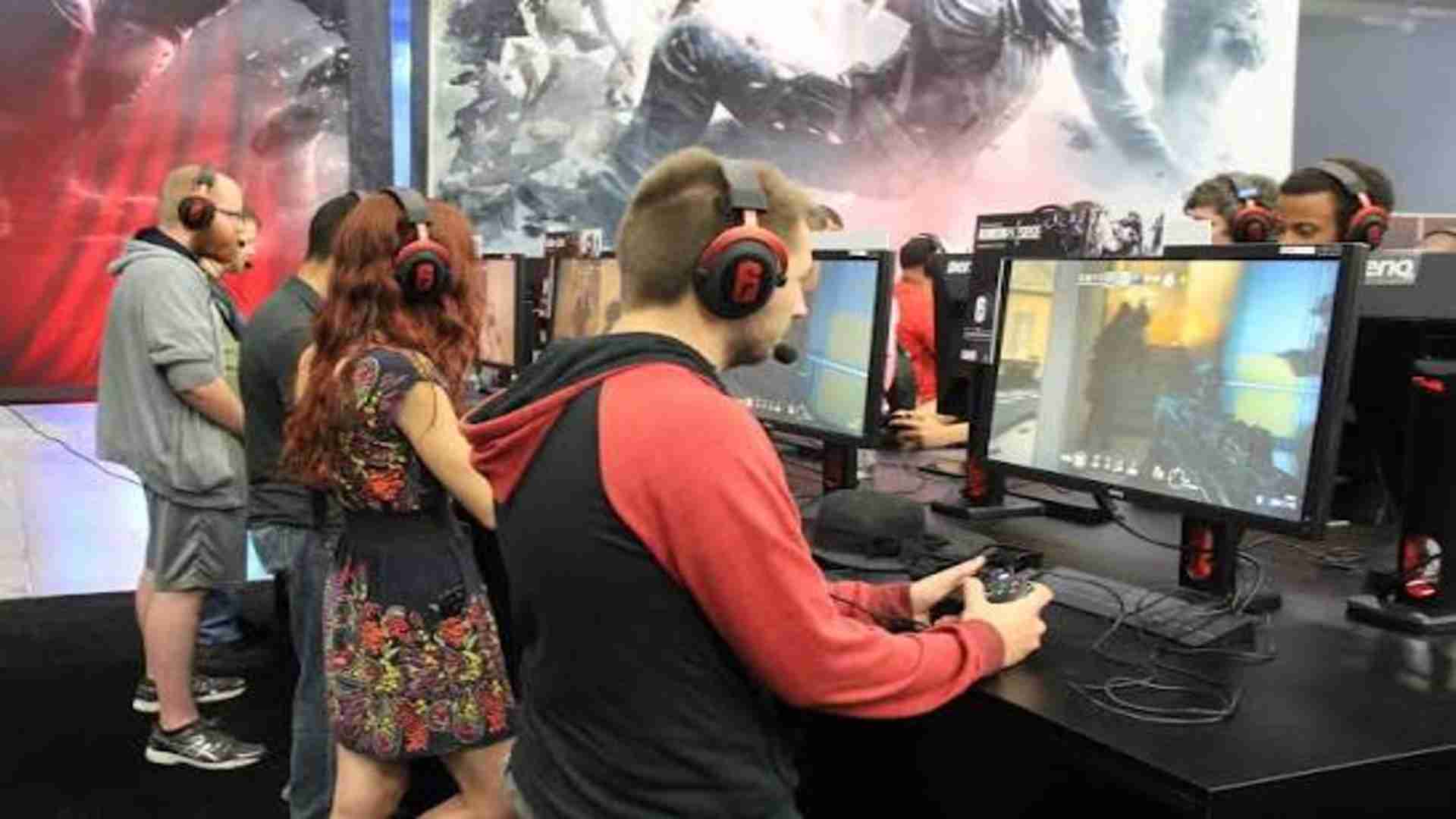
In high-stakes competitive gaming, facing unsportsmanlike behavior can severely compromise a player's focus and emotional stability. Experiencing taunts, toxic pin spam, or unsportsmanlike emotes triggers psychological stress responses that often lead to emotional frustration, commonly known as tilt. Understanding the underlying psychological triggers of tilt allows players to develop mental resilience and maintain optimal tactical decision-making during intense matches.
Understanding the Cognitive Impact of In-Game Provocation
Toxic behavior from opponents is designed specifically to hijack an adversary's focus and disrupt their logical thinking patterns. When players react emotionally to provocation, their cognitive load increases, which slows down reaction times and impairs spatial judgment. This cognitive disruption shifts a competitor's goal from winning the objective to seeking immediate revenge, leading to risky mechanical plays.
Recognizing the intent behind hostile behavior is the first step toward neutralizing its psychological impact on performance. Toxic opponents rely on psychological warfare to force unforced errors and destabilize team synergy. By viewing unsportsmanlike behavior as a desperate tactic rather than a personal attack, players can maintain their emotional composure.
Building Mindful Emotional Buffers During Matches
Implementing targeted mindfulness techniques between rounds helps reset a player's nervous system and prevents frustration from escalating. Taking slow, controlled breaths during brief downtime periods reduces heart rate spikes and restores analytical clarity. Maintaining a neutral mental baseline ensures that high-pressure moments are met with strategic discipline rather than panicked reactions.
Reframing negative situations allows competitors to detach their self-worth from individual match outcomes or toxic interactions. Developing a strong growth mindset shifts focus toward execution quality and continuous learning instead of momentary scores. This psychological buffer prevents minor setbacks from snowballing into game-ending tilt spikes.
Tactical Utilization of In-Game Mute Tools
Modern competitive titles offer robust customization settings designed to minimize unwanted social distractions during gameplay. Silencing enemy communications, muting tactical pins, or disabling cosmetic emotes immediately removes the visual stimuli that induce emotional stress. Utilizing these functional features ensures a clean interface focused strictly on relevant tactical information.
Establishing strict personal boundaries regarding game settings acts as a proactive defense against mental fatigue. Players who disable unnecessary chat features often experience consistent focus across long competitive sessions. Proactively shielding your focus eliminates external noise before it can compromise decision-making processes.
Developing Long-Term Psychological Resilience
Sustaining competitive excellence requires building structured habits outside of active match queues to process frustration constructively. Taking short breaks after intense losses prevents lingering tilt from bleeding into subsequent matches. Establishing set boundaries for daily play time helps preserve overall mental energy and focus.
Analyzing battle replays with an objective mindset helps separate real gameplay mistakes from emotional impressions left by toxic behavior. Reviewing performance metrics allows players to identify areas for structural improvement without emotional bias. Cultivating this professional discipline ultimately transforms hostile encounters into opportunities for developing elite mental fortitude.